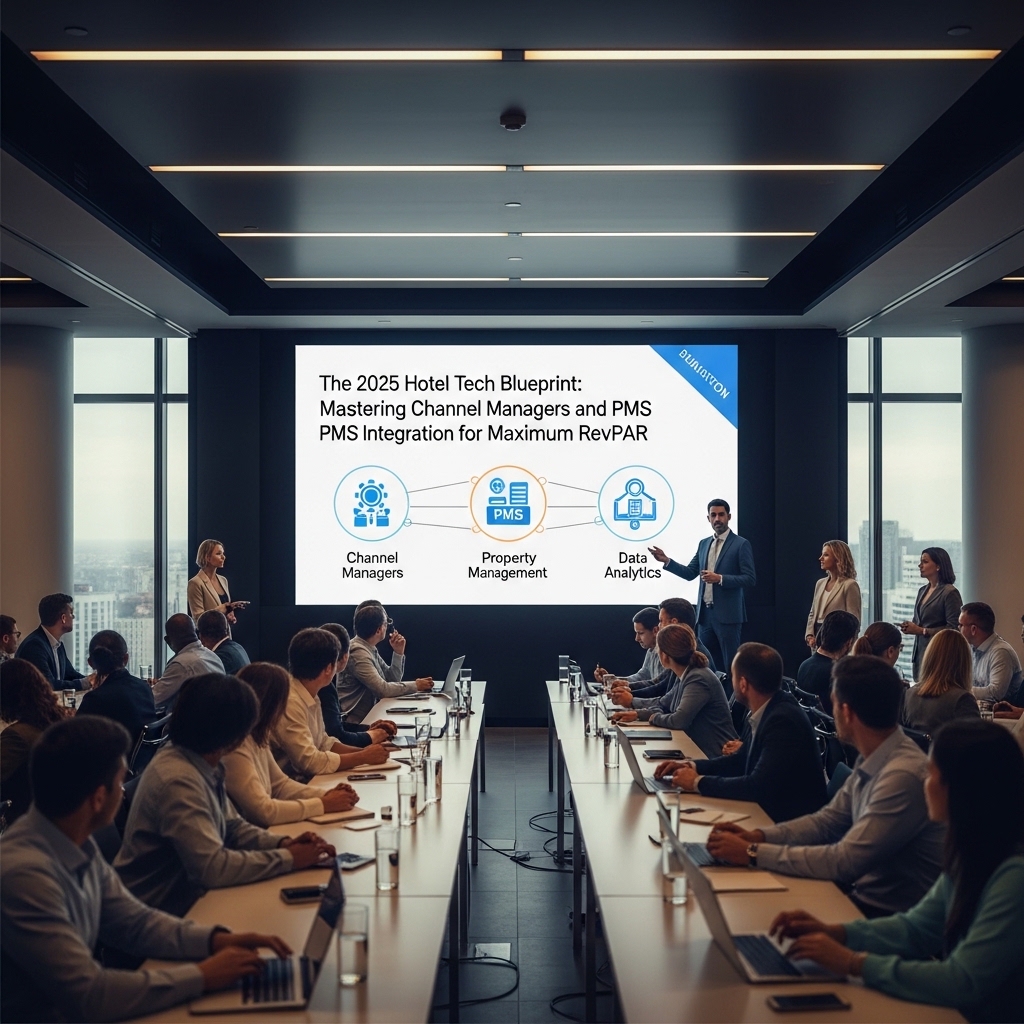
In the high-stakes world of modern hospitality, your hotel is only as strong as the technology that powers it. As we approach the end of 2025, the days of manual logbooks and isolated spreadsheets are long gone. Today, the difference between a struggling property and a market leader often comes down to two critical systems: the Property Management System (PMS) and the Channel Manager.
But simply having software is not enough. The real advantage lies in configuration, synchronization, and continuous optimization. In this guide, we explain how a properly integrated hotel PMS and channel manager work together to drive revenue, prevent overbookings, and automate operations.
1. The Nervous System: Your Property Management System (PMS)
A PMS is far more than a reservation database. It is the operational backbone of your hotel. From front desk workflows to housekeeping coordination and guest data management, everything flows through this system.
Cloud vs. Legacy: The Shift Is Complete
By late 2025, cloud-based PMS platforms have overtaken legacy server systems due to flexibility, security, and scalability. A modern cloud PMS allows hotels to:
- Manage From Anywhere: Monitor occupancy, pricing, and guest profiles remotely in real time.
- API-Based Integrations: Seamlessly connect with booking engines, revenue tools, and third-party systems.
- Enterprise-Level Security: Benefit from automated updates and secure cloud infrastructure.
Core PMS Functions You Cannot Ignore
A strong PMS manages the entire guest lifecycle — from booking to post-stay communication. It automates check-ins, generates housekeeping schedules, and stores guest preferences that enable personalized service and higher repeat bookings.
2. The Megaphone: Your Channel Manager
If the PMS is the internal brain, the Channel Manager is your global distribution engine. It ensures your rooms are visible across OTAs, metasearch platforms, and direct channels.
A professional channel manager connects your hotel to platforms like Booking.com, Expedia, Agoda, Airbnb, and MakeMyTrip — while keeping inventory and pricing synchronized.
2-Way XML Connectivity Explained
True 2-way XML connectivity is what separates basic tools from enterprise-grade systems. When integrated correctly, it ensures:
- Instant Inventory Sync: Rooms sold on OTAs are updated everywhere within seconds.
- Centralized Rate Control: Price updates pushed once reflect across all connected channels instantly.
- Automatic Stop-Sell: Inventory closes automatically when the last room is booked, eliminating double-bookings completely.
3. The Setup & Maintenance Trap
One of the biggest mistakes hotels make is treating setup as a one-time task. In reality, configuration and maintenance require continuous oversight.
A neglected setup leads to pricing errors, incorrect room displays, and revenue leakage across channels.
Room Mapping Errors
Incorrect room mapping is a frequent issue. When room categories are mismatched across systems, guest expectations suffer and negative reviews increase. Regular audits ensure consistency across OTAs and your direct booking engine.
Rate Plan Optimization
Rate plans such as non-refundable offers, meal inclusions, and seasonal packages must be mapped and tested continuously. Proper maintenance ensures guests see accurate pricing and inclusions on every channel.
4. Strategic Revenue Management Through Integration
When your PMS and Channel Manager work in perfect sync, advanced revenue strategies become effortless.
- Dynamic Pricing: Automated rules adjust rates based on demand and occupancy thresholds.
- Length of Stay Controls: Minimum stay rules during peak periods maximize profitability.
5. Conclusion: The Revenue First Approach
Hotel technology is not a cost — it is a revenue multiplier. When PMS and Channel Manager systems are professionally configured, they protect inventory, optimize pricing, and scale profitability.
At Revenue First, we design complete hospitality ecosystems. From PMS setup and channel connectivity to OTA strategy and revenue optimization, we ensure your systems work together seamlessly. If you’re ready to eliminate technical revenue loss, connect with our experts and professionalize your tech stack.
6. PMS Data as a Revenue Intelligence Engine
Most hotels use their PMS only for operations. Market leaders use it as a decision-making engine.
A well-configured PMS provides insights into:
-
Booking pace by room type
-
Source-wise revenue contribution
-
Lead time trends
-
Repeat guest behavior
-
Cancellation and no-show patterns
When this data is actively reviewed, hotels can:
-
Identify high-value channels vs high-volume channels
-
Adjust pricing before demand spikes or drops
-
Build targeted offers for repeat guests instead of blanket discounts
Without this layer of analysis, hotels often react too late — cutting rates when demand has already softened or missing revenue during compression periods.
7. Automation That Actually Reduces Costs (Not Control)
Automation is often misunderstood as “hands-off.” In reality, smart automation removes repetitive work while keeping strategy firmly in human hands.
Examples of high-impact automation:
-
Auto room assignment based on stay patterns
-
Housekeeping task scheduling tied to live occupancy
-
Pre-arrival messaging triggered by PMS data
-
Auto rate adjustments within defined revenue rules
This reduces front-office pressure, minimizes human error, and allows management teams to focus on guest experience and strategy — not manual corrections.
8. Preventing Overbookings Is Only Step One
Most hotels see “no overbookings” as the end goal. In truth, controlled overbooking is a revenue strategy when executed correctly.
With accurate PMS–Channel Manager integration:
-
Historical no-show data can be used to allow safe overbooking
-
Overbooking thresholds can vary by season and room type
-
Premium room categories can be protected from risk
This approach increases occupancy without damaging guest experience — something impossible without clean data synchronization.
9. Multi-Property & Scalability Considerations
As hotel groups expand, technology complexity multiplies.
A scalable PMS and Channel Manager setup allows:
-
Centralized rate and inventory control
-
Property-level flexibility for local demand
-
Consolidated reporting across locations
Hotels planning future expansion must choose systems that scale without reimplementation. Poor early decisions often lead to expensive migrations later.
10. Technology Alignment With Guest Experience
Technology decisions directly affect guest perception — even when guests never see the systems behind the scenes.
Examples:
-
Slow check-ins due to outdated PMS workflows
-
Room mismatches caused by mapping errors
-
Incorrect inclusions shown on OTAs vs actual delivery
When systems are aligned, guest expectations match reality — resulting in better reviews, higher ratings, and stronger OTA rankings.
Conclusion: Systems Create Stability
Revenue instability is rarely caused by demand alone. More often, it is the result of fragmented systems and poor integration.
Hotels that treat PMS and Channel Manager selection as IT decisions struggle.
Hotels that treat them as revenue infrastructure win.
At Revenue First, we don’t just install software.
We design systems that:
-
Protect inventory
-
Maximize pricing power
-
Reduce operational friction
-
Scale with your business
From PMS setup and channel mapping to OTA optimization and revenue controls, we ensure your technology stack works as a single, profitable ecosystem.
If your systems feel “set up but not optimized,” it’s time to professionalize your hospitality tech.